|
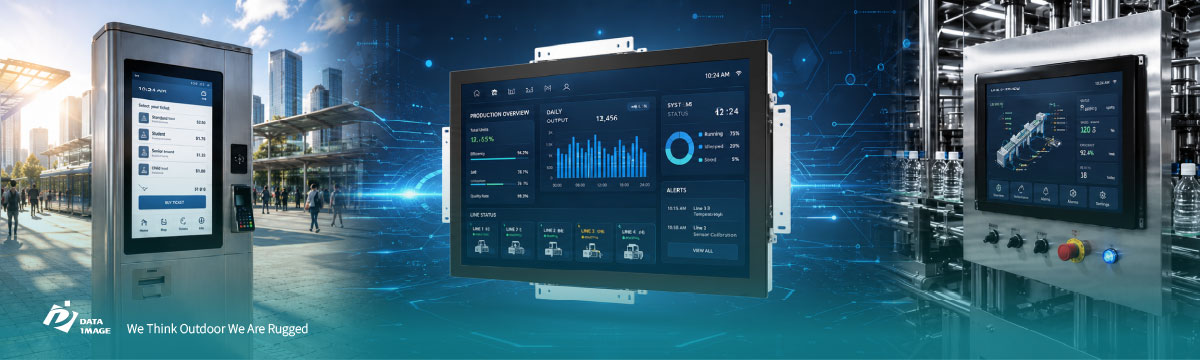
Open Frame Monitors are the unsung heroes behind many of today's smart embedded devices. From EV charging stations and self-service kiosks to industrial automation panels, an Open Frame Monitor provides the flexibility, durability, and customization needed for modern embedded systems.
If you're looking for an embedded display that integrates seamlessly into your equipment while delivering reliable performance in demanding environments, this guide covers everything you need to know.
|
What Is an Open Frame Monitor and Why Does It Matter?
|
|
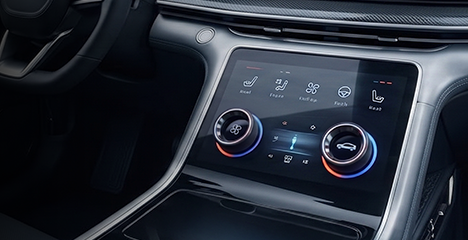
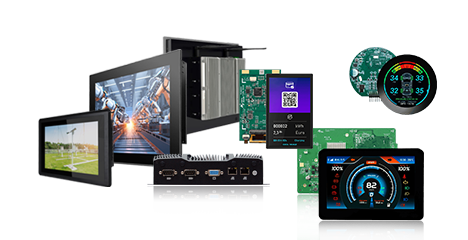
An Open Frame Monitor is a display module designed to be embedded directly into a device, machine, or enclosure. Unlike a standard consumer monitor, it usually does not come with a full outer housing. Instead, it features an open metal frame structure that allows system integrators and equipment manufacturers to install it inside their own product designs.
It is more than just a screen. A professional Open Frame Monitor can be customized based on installation space, brightness requirements, touch performance, interface options, and environmental conditions.
|
What Makes Up an Open Frame Monitor?
A typical open frame display includes several key components.
|
Component
|
Function
|
| TFT-LCD Panel |
Displays the main visual content. |
| Touch Panel / CTP |
Enables finger, glove, or multi-touch interaction. |
| Cover Glass |
Protects the display surface and improves impact resistance. |
| Optical Bonding Layer |
Reduces reflection, improves sunlight readability, and enhances durability. |
| Metal Frame |
Supports embedded installation and mechanical mounting. |
| LCD Controller / AD Board |
Processes video signals and drives the LCD panel. |
| Backlight Unit |
Provides screen brightness for indoor or outdoor visibility. |
| Thermal Design |
Helps maintain stable performance during long-term operation. |
|
How Does an Open Frame Monitor Work?
Think of an Open Frame Monitor as a compact display system where every component has a specific job.
When an external host system sends video signals to the monitor, the LCD controller board, also known as the AD board, receives and converts those signals into a format the display panel can read. The LCD panel then presents the image, while the backlight unit provides the brightness needed to make the content visible.
For interactive applications, the touch panel detects user input and sends commands back to the host system. At the same time, the mechanical frame, thermal structure, and mounting design help keep the display stable during long operating hours, high temperatures, or outdoor use.
|
Open Frame vs. Standard Monitors: What's the Difference?
Not all monitors are designed for embedded systems.
|
| Design Factor |
Standard Monitor |
Open Frame Monitor |
| Housing Design |
Finished outer housing for desktop or general commercial use. |
Open metal structure designed to be integrated directly into equipment enclosures. |
| Mounting Flexibility |
Typically uses desktop stands or VESA mounting. |
Supports rear mounting, front mounting, panel mounting, and embedded installation. |
| Environmental Durability |
Designed mainly for controlled indoor environments. |
Can be engineered with high brightness, rugged structures, optical bonding, and environmental protection. |
|
Why Choose Data Image Open Frame Monitors?
8 Key Benefits
The value of an Open Frame Monitor lies in its flexible architecture, allowing manufacturers to integrate different display, touch, optical, and mechanical technologies based on specific application requirements.
|
|
|
High-Brightness Outdoor Applications
When combined with high-brightness LCD panels, optical bonding, and anti-reflection treatments, Open Frame Monitor solutions can deliver excellent readability under strong ambient light.
|
|
|
|
Various Touch Technologies
Solutions can support projected capacitive touch, glove operation, wet-touch support, and multi-touch functionality depending on application requirements.
|
|
|
|
Optical Bonding Compatible
Optical bonding can improve visibility, reduce reflections, increase impact resistance, and minimize internal condensation when required by the application.
|
|
|
|
Rugged System Design
Wide-temperature components, waterproof and dustproof protection, anti-corrosion materials, and reinforced mechanical structures can be integrated according to system requirements.
|
|
|
|
Flexible Mechanical Integration
The open-frame architecture provides greater flexibility for mounting methods, frame structures, interface layouts, and thermal solutions.
|
|
|
|
Multiple Display Interfaces
Depending on controller board and system architecture, Open Frame Monitors can support HDMI, DisplayPort, VGA, LVDS, and other industrial communication standards.
|
|
|
|
Long-Term Equipment Operation
Industrial-grade components and appropriate thermal design can support equipment operating continuously over extended periods.
|
|
|
|
Highly Customizable
Display size, cover glass, touch technology, mounting structure, brightness, interfaces, and other specifications can be configured to match project requirements.
|
|
|
4 Common Applications for Open Frame Monitors
Thanks to their rugged construction and flexible integration, Open Frame Monitors have become a key component across many industries.
EV Charging Stations
Displays must remain readable under direct sunlight, operate reliably in hot or cold weather, and support smooth touch interaction for payment and charging control.
Self-Service Kiosks & Payment Terminals
Ticketing machines, ordering kiosks, parking payment terminals, and smart vending machines require durable displays designed for frequent public use.
Industrial Automation & HMI
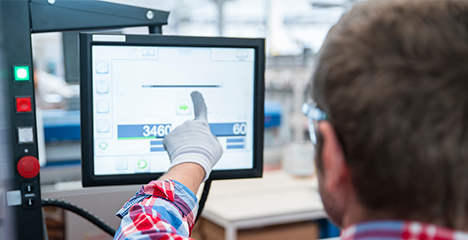
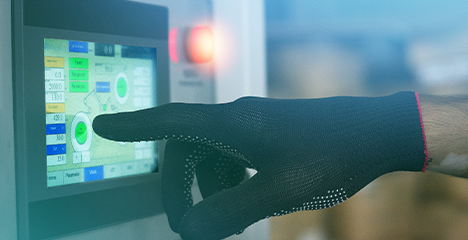
Industrial HMI displays must withstand vibration, dust, heat, and long operating hours while integrating smoothly with industrial PCs.
Public Information & Smart Transit
Bus stops, train stations, airports, and public information terminals require high visibility, long-term reliability, and durable continuous-use displays.
|
Why Choose Data Image for Open Frame Monitor Solutions?
|
|
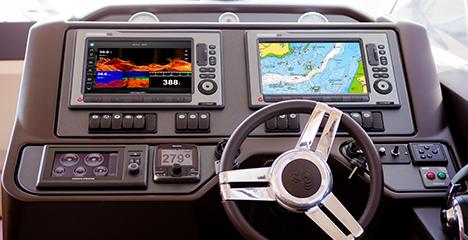
Drawing on decades of experience in rugged marine displays, Data Image has developed a comprehensive Open Frame Monitor portfolio for industrial and outdoor applications.
Built around the core values of visibility, survivability, enhancement, and protection, Data Image helps customers create display systems that perform reliably in real-world environments.
|
Complete Size Options for Different Applications
Data Image offers a wide range of Open Frame Monitor sizes, including 4", 5", 7", 12.1", 15", 15.6", 21.5", 24", 27", 32", and 43". Whether you are designing a compact control panel or a large-format outdoor charging station, Data Image can provide a suitable display solution.
| Brightness |
1,000–2,500 nits |
| Operating Temperature |
-30°C to 85°C |
| Resolution |
FHD ~ 4K |
| Interface Options |
VGA, HDMI, DP input and Dual Port LVDS output |
Advanced Optical Bonding
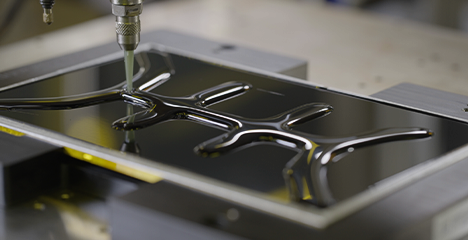
Data Image provides multiple optical bonding technologies, including OCA, OCR, SOCA, and SOCR. These processes help improve display readability, reduce reflection, prevent internal condensation, and enhance shatter-proof and vandal-proof protection.
Outdoor-Ready PCAP Touch Technology
For outdoor interactive systems, Data Image offers advanced PCAP touch tuning designed for rain, water droplets, and glove operation. The solution supports reliable finger tracking, water rejection, up to 16-point touch, and a high 200Hz report rate for responsive operation.
Advanced Thermal and Material Design
High-brightness displays generate heat, especially in outdoor environments. Data Image addresses this challenge through advanced BLU thermal design, aluminum alloy backlight structures, graphene thermal pads, heat sinks, and optimized airflow channels to reduce the risk of overheating and display blackening.
|
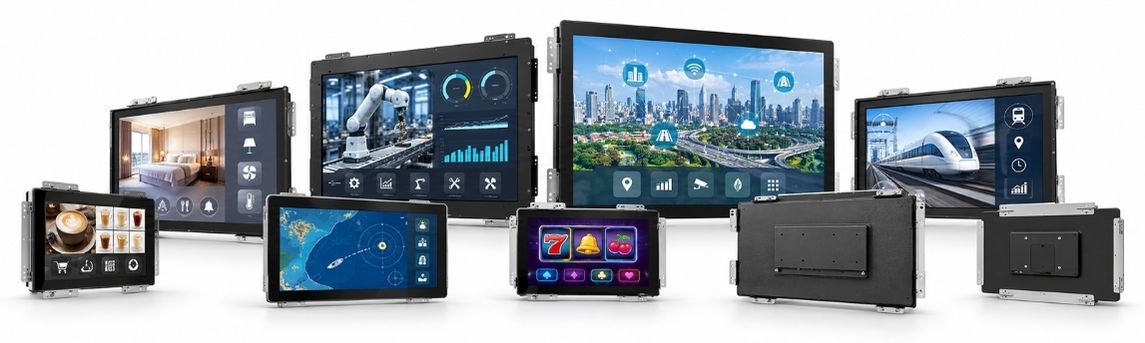 Data Image Open Frame Monitor Series
|
|
When developing industrial equipment, outdoor terminals, or smart embedded systems, choosing the right Open Frame Monitor can directly influence product reliability, usability, and long-term performance.
An Open Frame Monitor gives manufacturers the mechanical flexibility, sunlight-readable visibility, rugged protection, and touch performance needed to build smarter and stronger devices.
With deep expertise in rugged marine displays, advanced optical bonding, outdoor PCAP touch technology, and one-stop customization, Data Image is ready to support your next embedded display project.
|
Building Your Next Embedded Display System?
Contact Data Image today to explore a reliable Open Frame Monitor solution built for your application.
|
|


 Back
Back

.png)