|
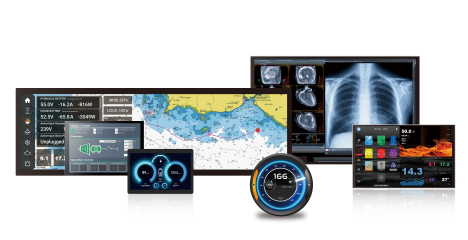
A Sunlight Readable Display is designed to keep screens clear and readable even under strong outdoor sunlight. From EV charging stations and outdoor kiosks to marine electronics and industrial HMIs, sunlight readable display technology plays an important role in improving visibility, usability, and long-term system reliability.
Have you ever tried to check a screen outdoors, only to find the display washed out by sunlight? In outdoor environments, poor visibility is more than just an inconvenience. It can affect user experience, operational efficiency, and even safety. That is why sunlight readable displays have become essential for modern outdoor equipment and rugged applications.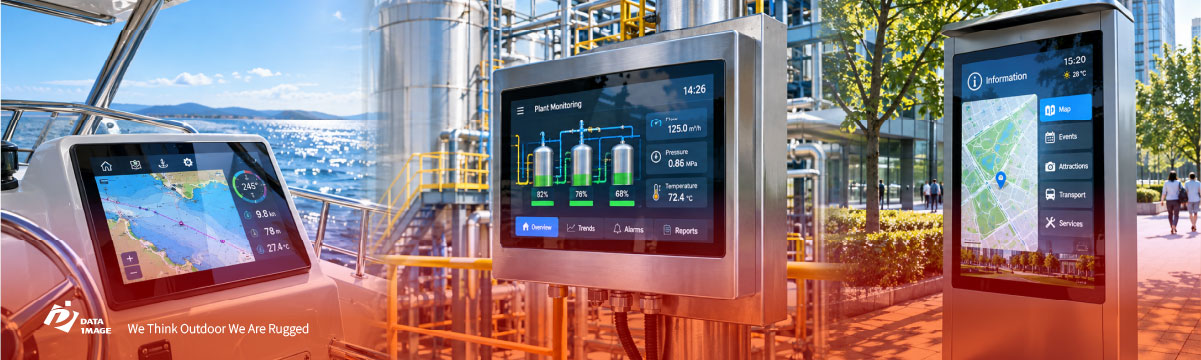
|
What Is a Sunlight Readable Display? |
A Sunlight Readable Display is a display solution engineered specifically for high ambient light environments. Unlike standard indoor displays, it combines multiple technologies to maintain image clarity, contrast, and readability under direct sunlight.
Typical indoor displays usually operate at around 250 to 350 nits, which is sufficient for office or indoor environments. However, outdoor sunlight can reach tens of thousands of lux, causing standard screens to appear dim or washed out. To solve this challenge, sunlight readable displays integrate technologies such as:
High-brightness backlighting
Optical bonding
Anti-reflection and anti-glare coatings
Rugged cover glass
Outdoor-ready mechanical design
Together, these technologies help improve visibility, reduce reflection, and support long-term outdoor reliability.
How Does a Sunlight Readable Display Work?To make a display readable under sunlight, engineers usually focus on two major directions: increasing screen brightness and reducing reflection. These two factors work together to improve outdoor visibility, contrast, and image clarity. |
High-Brightness BacklightOne of the core technologies behind sunlight readable displays is high-brightness backlighting. Outdoor displays typically require brightness levels of 1,000 nits or higher, while demanding applications may use displays reaching 2,500 to 3,000 nits. Higher luminance allows the display to remain visible even under strong direct sunlight. |
|
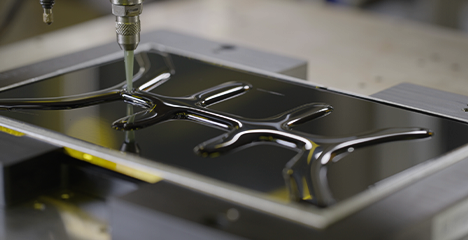
Optical BondingIncreasing brightness alone is not enough. Internal reflection inside the display can also reduce readability. Traditional displays often contain an air gap between the cover glass and LCD module. When sunlight enters this gap, reflection and refraction can reduce contrast and make images appear hazy. Optical bonding eliminates this air gap by filling the space with optical adhesive such as OCA or OCR. This helps improve contrast, reduce internal reflection, enhance color performance, and minimize condensation risks. |
|
Anti-Reflection and Anti-Glare CoatingAR (Anti-Reflection) coating reduces surface reflection and improves light transmission, while AG (Anti-Glare) treatment diffuses harsh light to reduce glare and mirror-like reflections. Together, these surface treatments improve viewing comfort and outdoor readability. |
|
|
Key Benefits of Sunlight Readable Displays |
A sunlight readable display does more than make a screen brighter. For outdoor equipment and mission-critical systems, it can improve safety, reliability, usability, and product value.
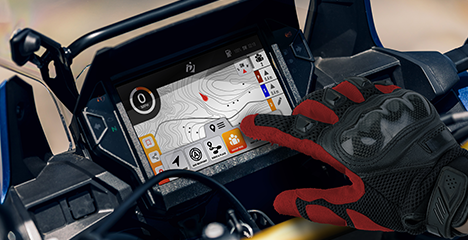
Improved Safety and Real-Time AwarenessIn transportation, industrial, and heavy-duty equipment applications, unreadable screens can lead to operational risks. A sunlight readable display allows operators to view navigation, warnings, system status, and control information quickly and clearly, even in bright outdoor conditions. |
|
Reduced Fogging and CondensationOptical bonding eliminates the internal air gap between the cover glass and LCD module. This helps prevent moisture buildup, fogging, and condensation caused by rapid temperature changes, making the display more reliable for outdoor and marine environments. |
|
Better Power and Thermal ManagementHigh-brightness displays often generate more heat and consume more power. Advanced backlight technologies, such as Mini LED local dimming, can help optimize brightness only where needed, improving contrast while reducing unnecessary power consumption and heat generation. This is especially valuable for fanless outdoor systems, compact devices, and applications with limited thermal space. |
|
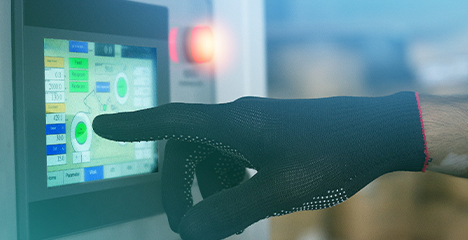
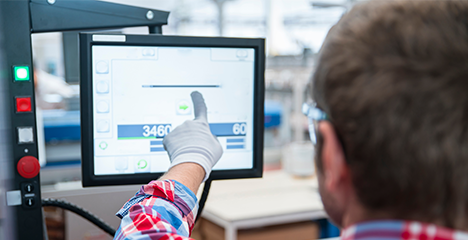
Reliable Touch Performance in Harsh ConditionsOutdoor touch displays must work reliably under rain, humidity, sweat, and glove operation. Advanced PCAP touch technology, waterproof surface treatment, and touch controller firmware tuning help reduce false touches caused by water droplets while supporting accurate touch input, even with gloves or thick cover glass. |
|
Common Applications of Sunlight Readable Displays |
As smart cities, electric mobility, marine technology, and industrial automation continue to grow, sunlight readable displays are widely used across many outdoor and rugged applications.
| Application | Key Requirements |
|---|
| EV Charging Stations | High brightness, optical bonding, anti-reflection treatment, passive thermal design |
| Outdoor Kiosks and Smart Retail | Anti-UV protection, durable cover glass, weather-resistant touch control |
| Public Information Displays | High brightness, wide viewing angles, anti-glare treatment, 24/7 operation, weather-resistant design |
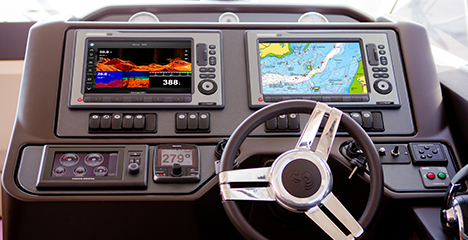
| Marine Electronics | High brightness, IP-rated sealing, salt-fog resistance, vibration resistance |
| Industrial and Vehicle Displays | Wide-temperature support, rugged design, glove touch support, fanless operation |
DATA IMAGE Optical Enhancement Solutions for Sunlight Readable Displays
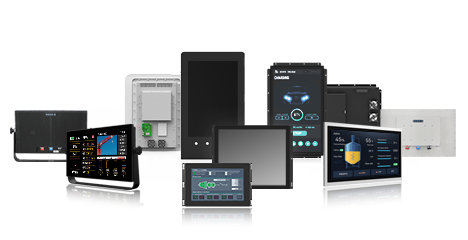
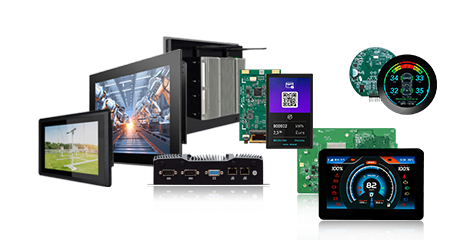
Many standard LCD modules are not originally designed for outdoor visibility or rugged environments. DATA IMAGE provides optical enhancement and display integration services to help transform standard displays into sunlight readable solutions for industrial and outdoor applications.
|
Optical BondingDATA IMAGE offers in-house optical bonding capabilities to reduce internal reflection and improve outdoor readability. - OCA bonding is a dry bonding process that offers efficient production, stable quality, and reliable optical performance. It is suitable for applications requiring cost-effective and durable display enhancement.
- OCR bonding is a liquid optical bonding process ideal for demanding environments such as automotive, marine, and industrial applications. It provides strong impact and vibration resistance while delivering excellent sunlight readability.
DATA IMAGE also applies dedicated surface preparation processes before bonding to improve adhesion, reliability, and long-term durability. |
Rugged Outdoor Display StructureDATA IMAGE rugged displays can support environmental protection requirements such as dust, moisture, water exposure, vibration, and pressure changes. With proper mechanical design and optical bonding, these displays help reduce fogging risks and improve long-term outdoor reliability. |
Projected Capacitive Touch TechnologyDATA IMAGE integrates Projected Capacitive (PCAP) touch technology for stable multi-touch operation and intuitive user interaction. Customized firmware tuning allows touch performance optimization for: - Glove operation
- Thick cover glass
- High humidity environments
- Water interference
- Electrical noise conditions
|
Durable Cover Glass and Surface TreatmentDATA IMAGE supports a wide range of cover lens materials, including glass, polycarbonate, and acrylic, as well as 3D curved cover lens integration. Available surface treatments include: - AG etched glass to reduce glare
- Low-reflection glass to minimize surface reflection
- Anti-fingerprint and water-repellent coating for easier cleaning
- Chemically strengthened glass for improved impact and scratch resistance
- Anti-UV coating to reduce yellowing
- Antimicrobial coating for high-touch public environments
DATA IMAGE also supports all-black design, extended cover glass areas, branding integration, RFID sensor areas, and customized touch zones. |
|
|
From EV charging stations and marine electronics to industrial automation systems and outdoor kiosks, a Sunlight Readable Display is essential for products that must perform reliably under direct sunlight and harsh outdoor conditions.
With expertise in optical bonding, rugged display design, PCAP touch integration, cover glass customization, and vertical manufacturing support, DATA IMAGE helps customers develop display solutions tailored to real-world application needs.
|
Looking for a Sunlight Readable Display Solution?
Contact DATA IMAGE to explore customized sunlight readable display solutions for your outdoor, industrial, marine, and transportation applications.
CONTACT US
|
#DataImage #SunlightReadableDisplay #OutdoorDisplay #HighBrightnessDisplay #OpticalBonding #RuggedDisplay #PCAPTouch #IndustrialHMI #MarineDisplay |
|